Small groups
by design
We cap at twelve. Not because the trail demands it, because the experience does. A smaller group means a different pace, a different conversation, a different trip.
Flexible,
not rigid
If you want to add a rest day, swap a village, or start from a different trailhead, we'll figure it out. Most of our treks have some version of that conversation.
We know
the ground
Our guides have led these specific passes for years. Not rotated in from another circuit. They know where the water sources are, what the weather does in September, and which tea stall is worth stopping at.
Rupin Pass
“A trail that earns its finale.”
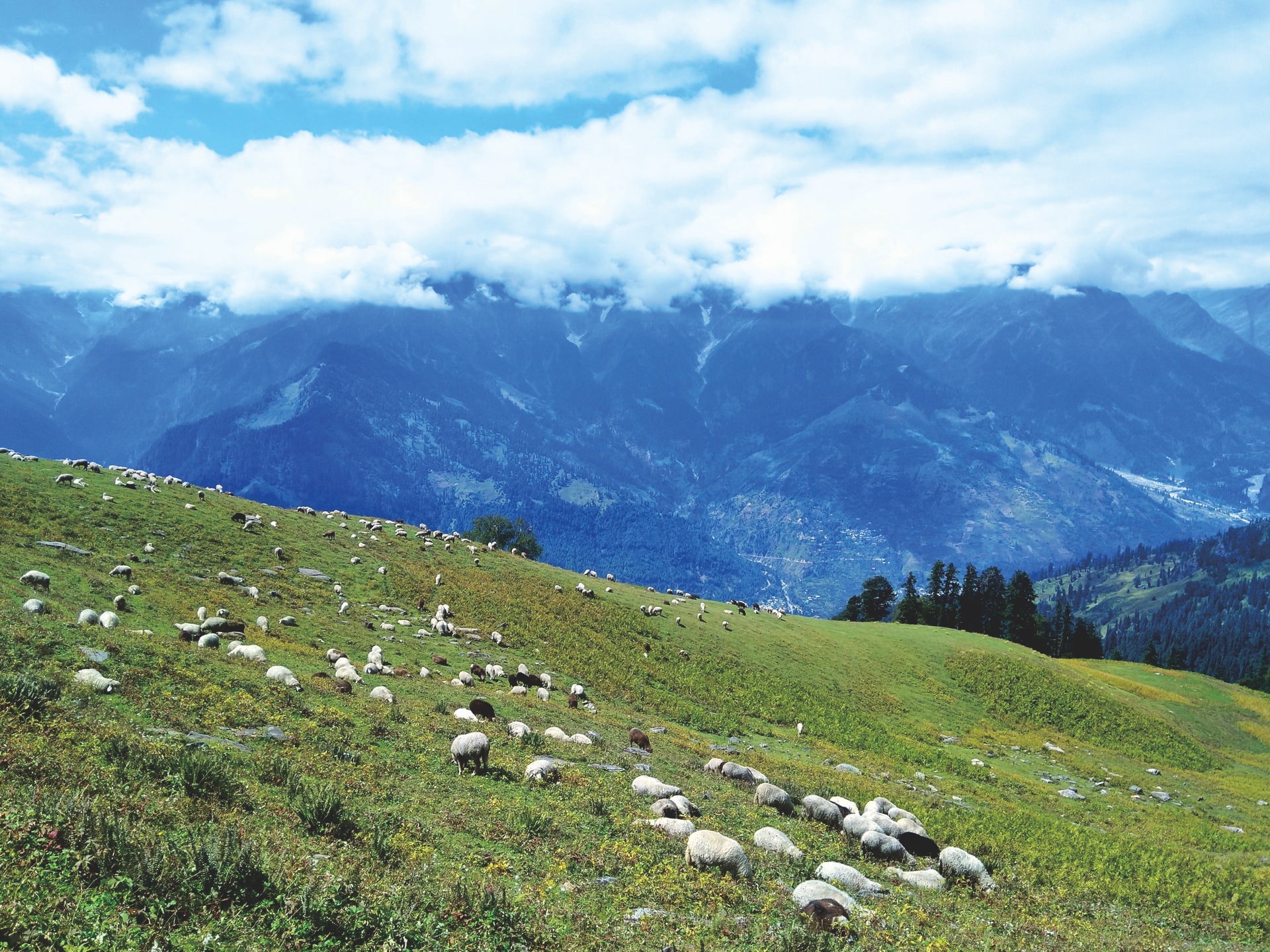
Buran Ghati
“Remote for a reason.”
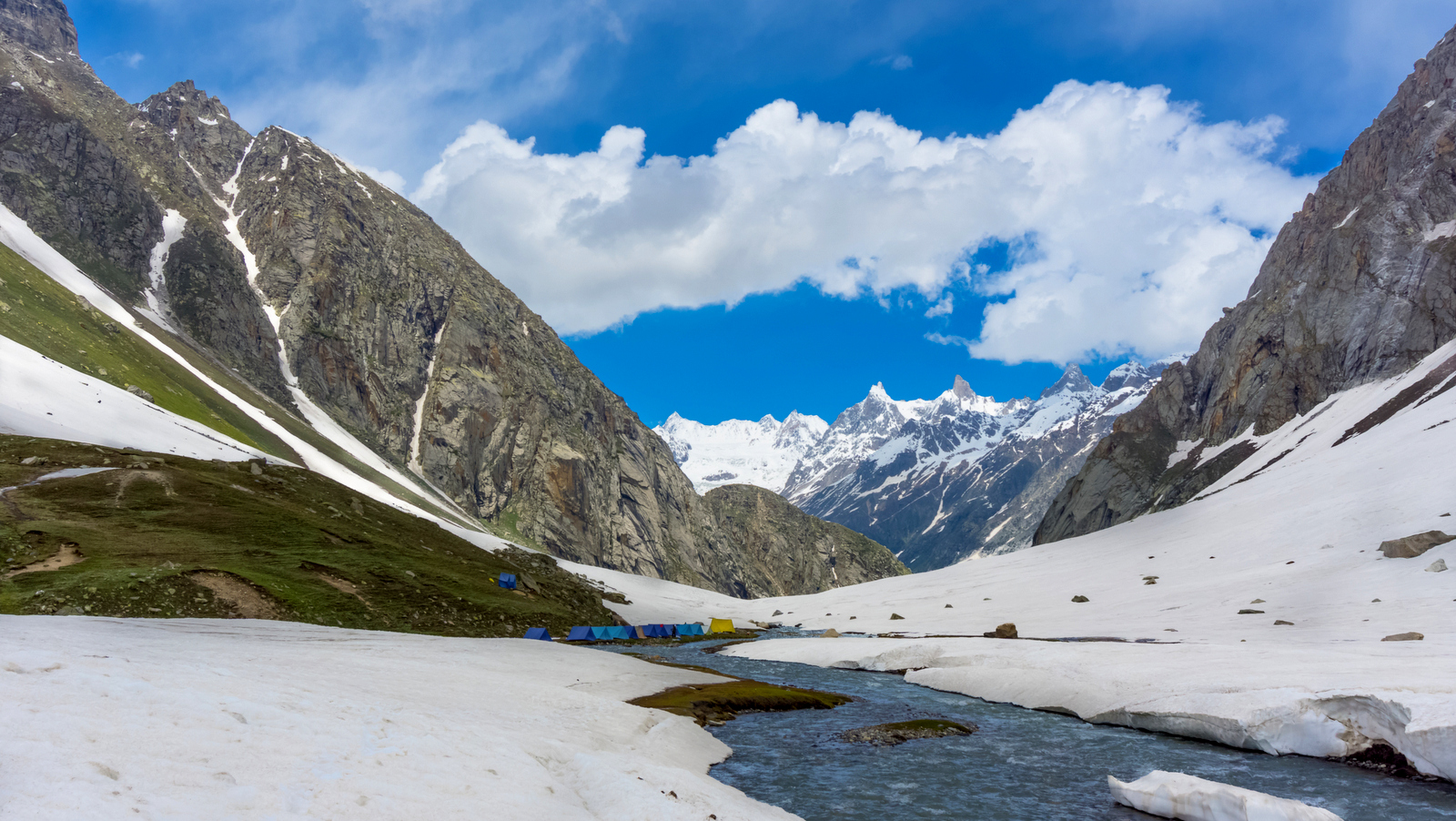
Hampta Pass
“Two worlds in one crossing.”
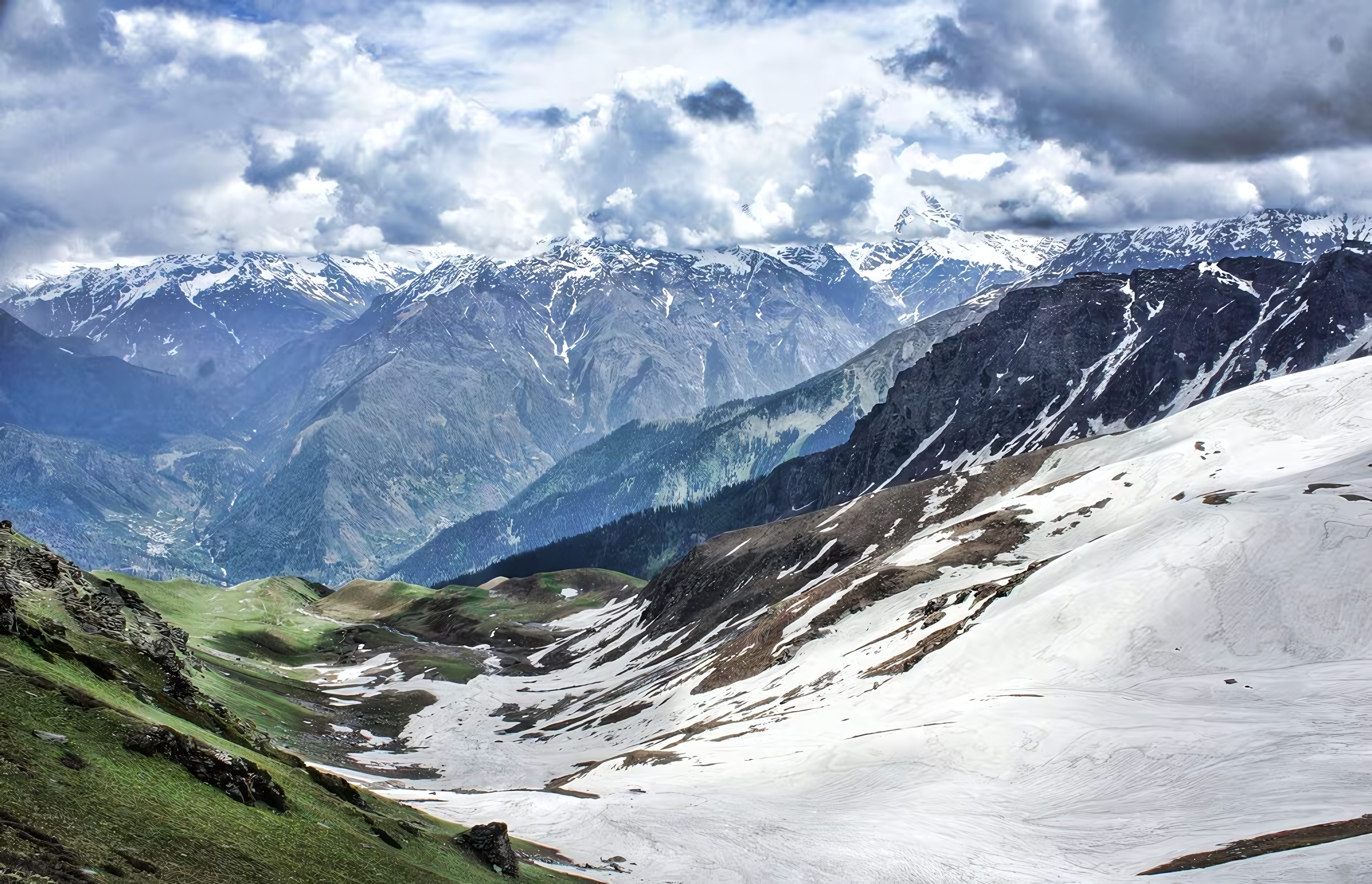
Sar Pass
“A proper introduction.”
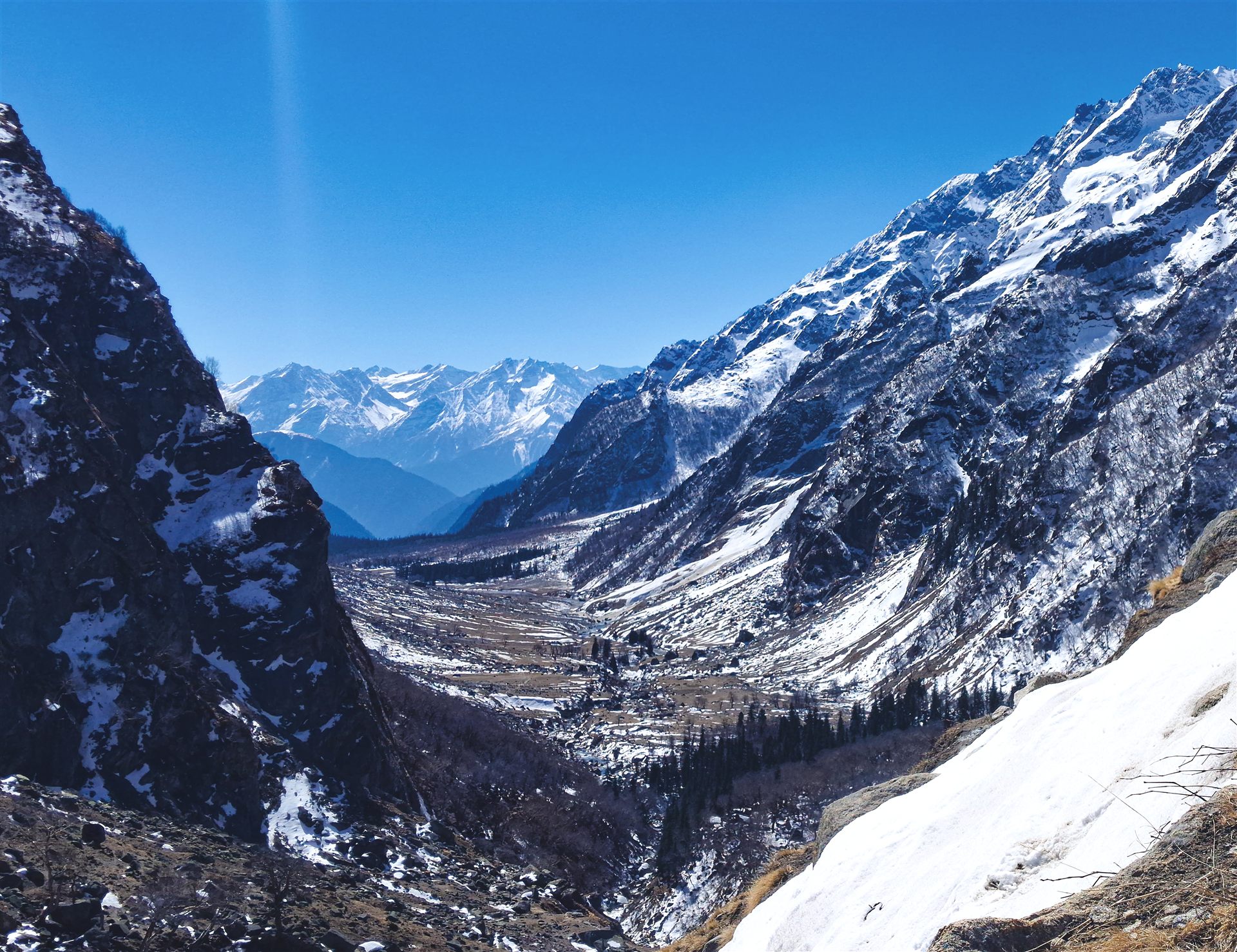
Pin Bhaba
“The crossing that connects two Himachals.”
The People Behind Every Journey
The guides who know every water source and every campsite. The crew who have dinner ready before you come down. The porters who carry more than their share and ask for nothing. Every journey runs on all of them.

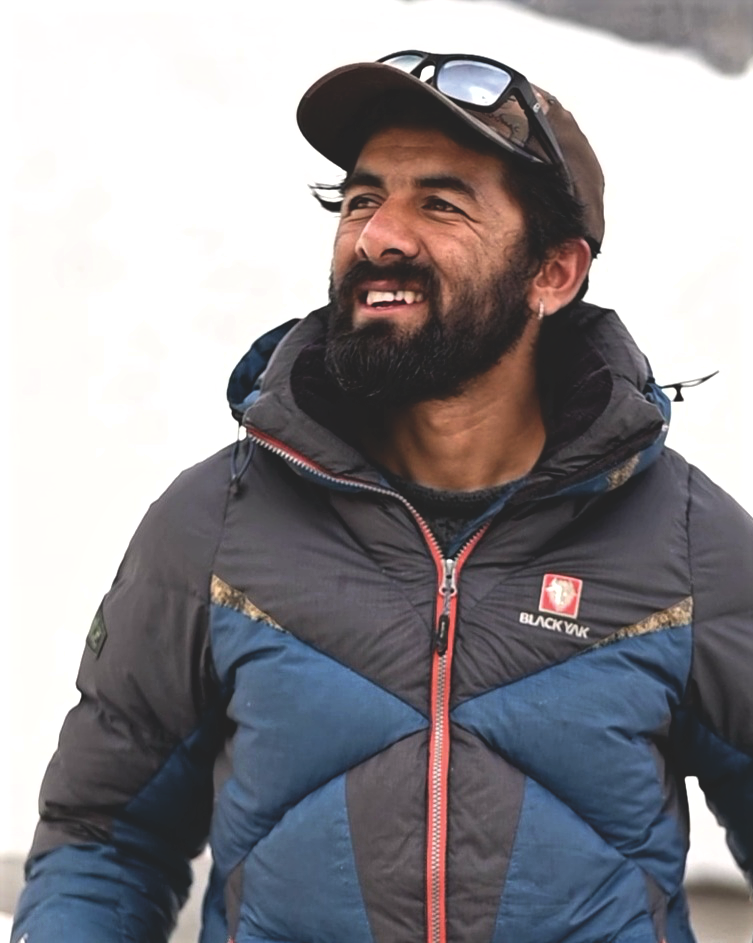 Bobby
Bobby
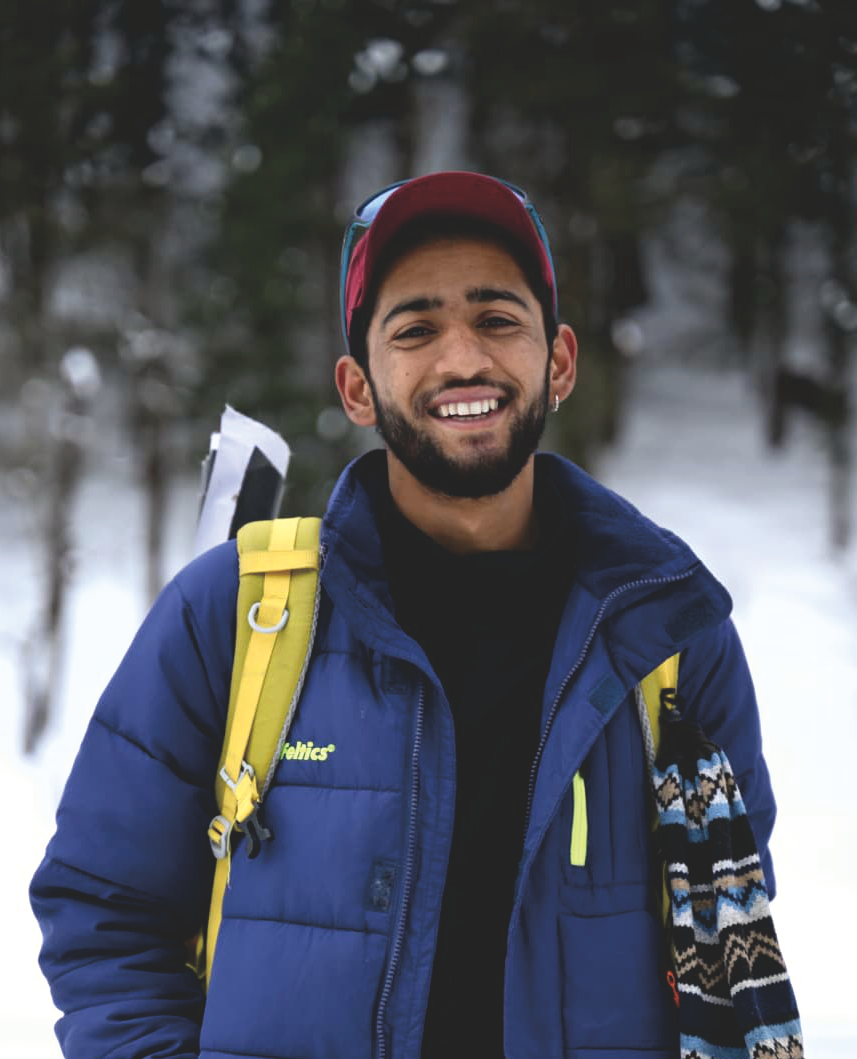 Baljeet
The summit is only
part of the story.
The Himalayas don't make it easy. That's the point. Each of these passes has something specific that earns it — and something specific you'll carry back.
I've done Sar Pass with another company. This was a different category of experience.
rohit.m
They rerouted our last day because one of us wanted to go through a specific village. That flexibility isn't normal.
aditi_varunWe had an absolute blast playing frisbee at the summit in fresh snow. Didn't want to come down.
prem.s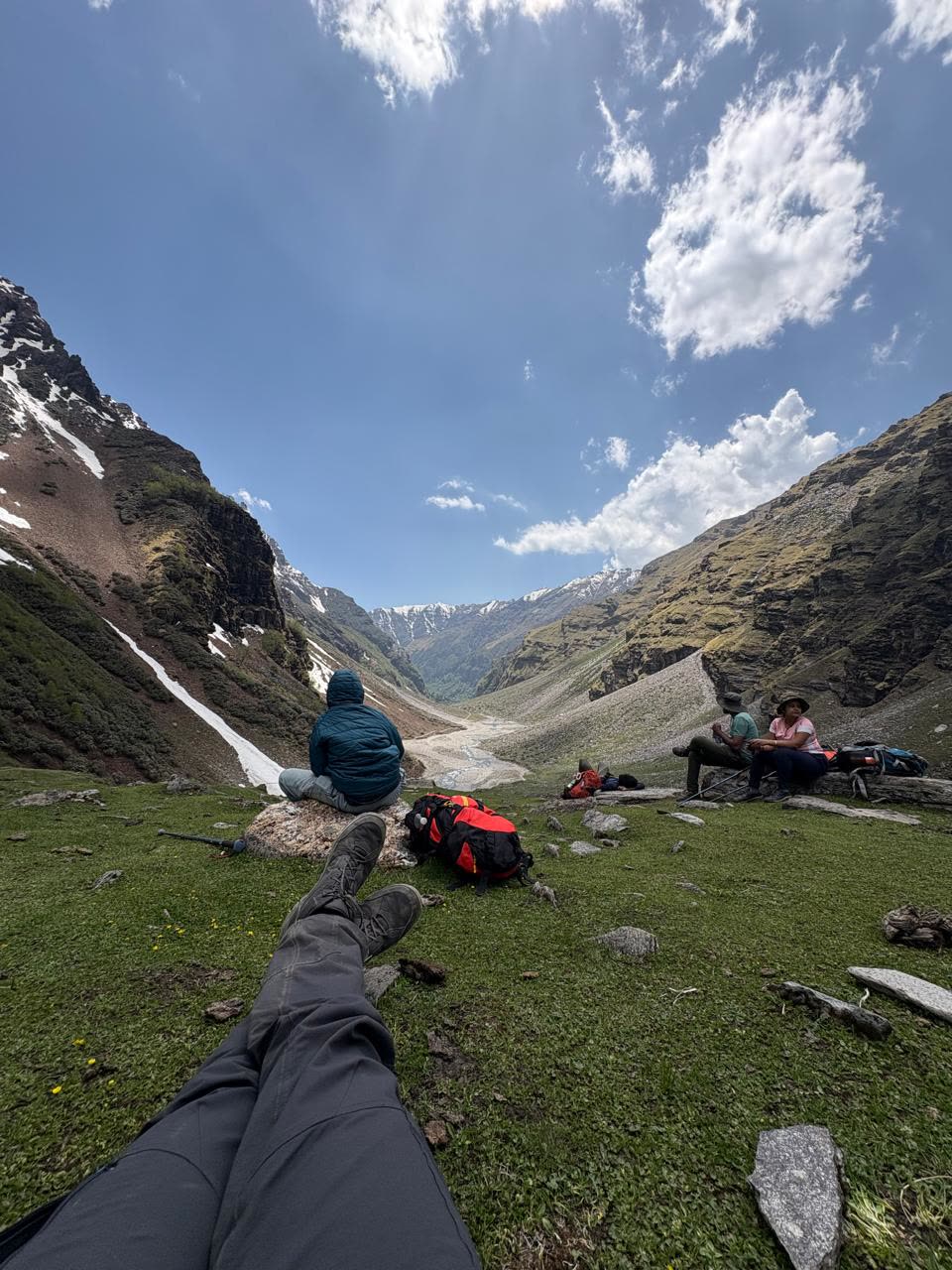
The kind of quiet you only find when you've earned it. Nothing rotated, nothing rushed.
meera.kRemote for a reason. We understood that by day two.
ashwin.trek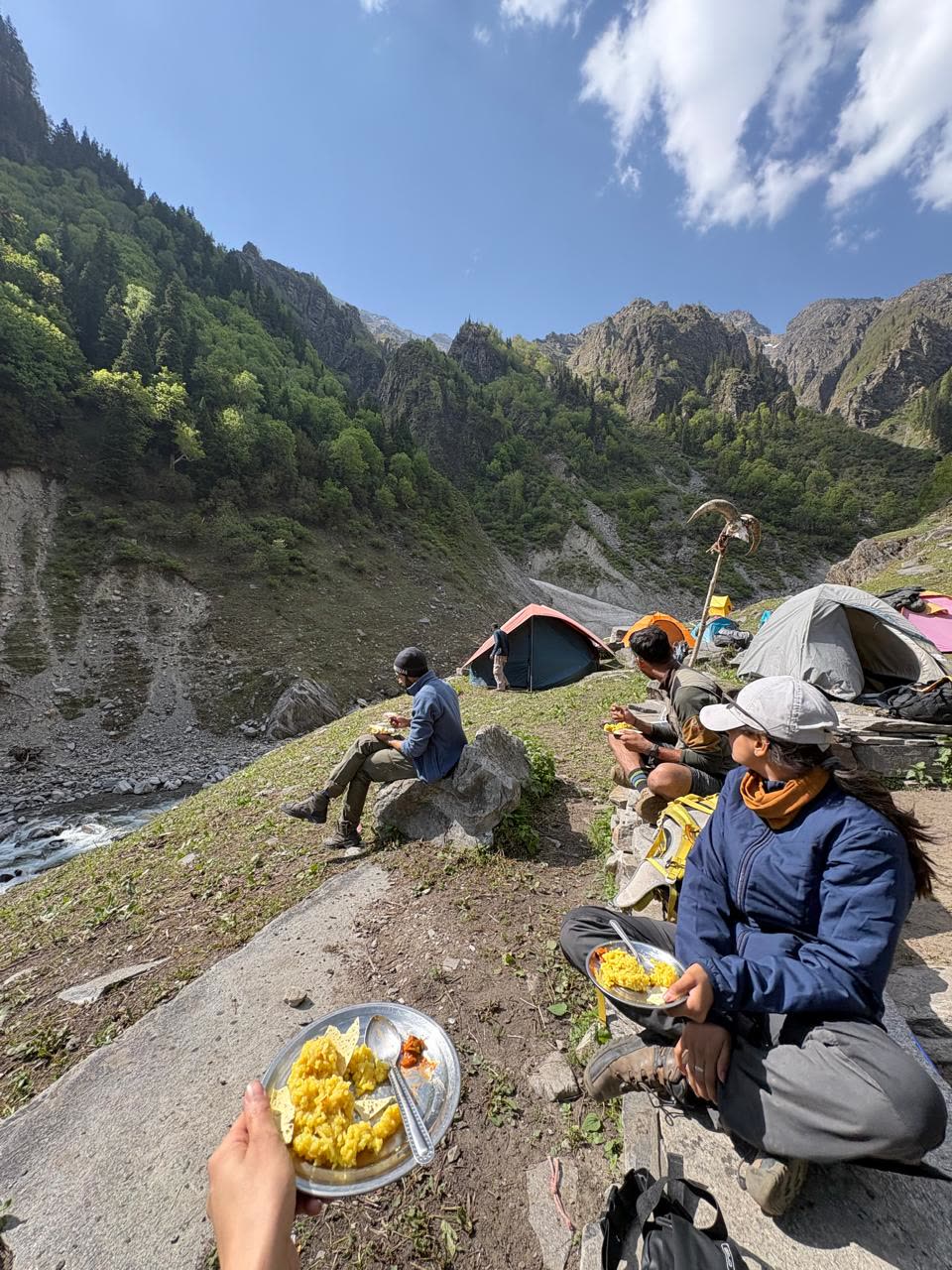
First time above 4000m. They calibrated every day to the group, not the itinerary.
kavya.outdoors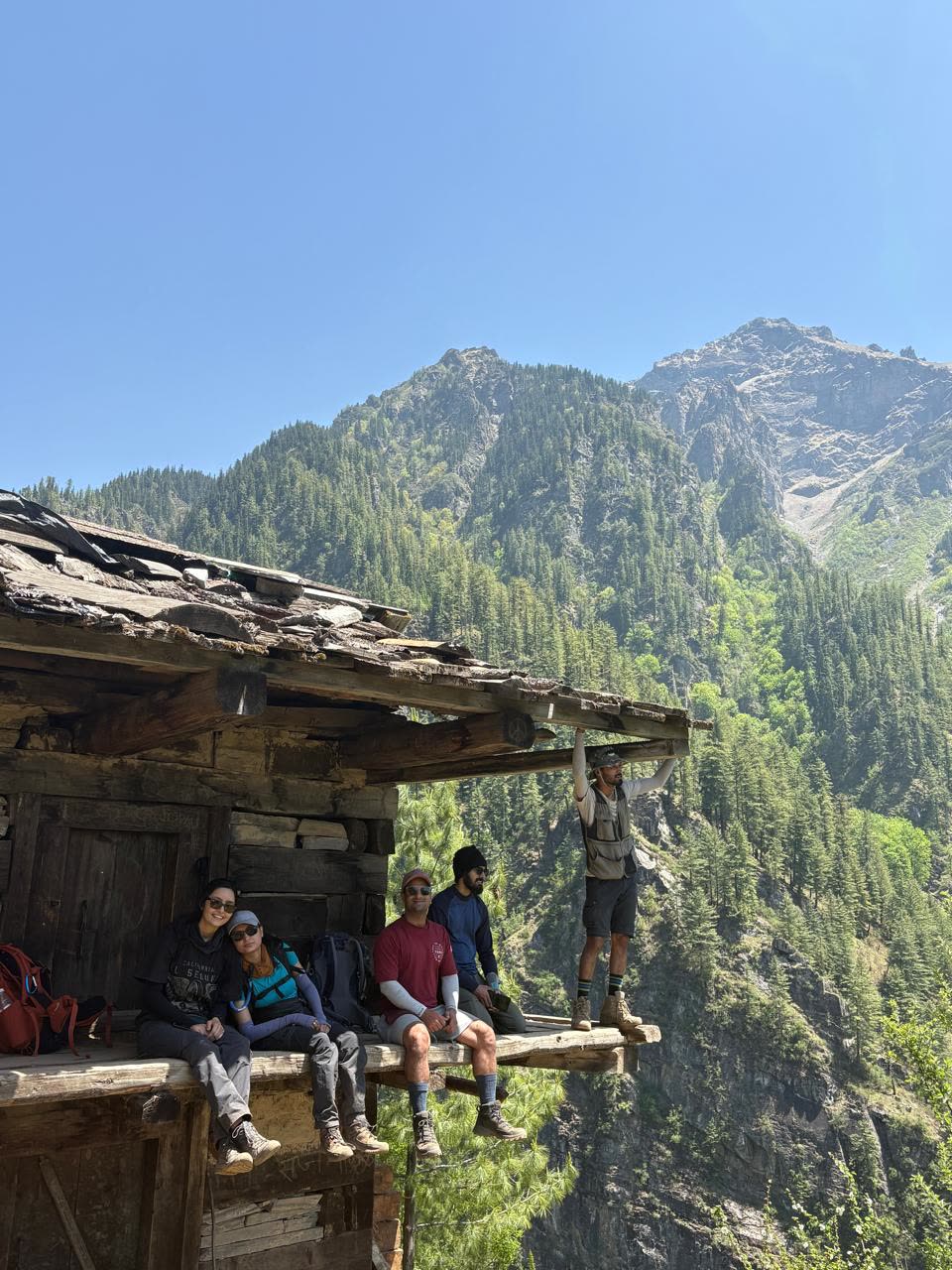
The kind of trip where you stop thinking about work by day two. That’s the whole point.
nikhil_peaks